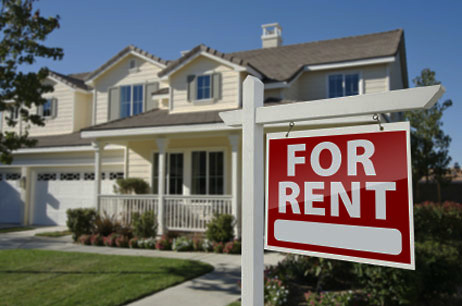
Are you considering the need to move up to a larger home (or down to a smaller home), a house in a different area, or even a new home in your same community? If you have enough equity in your current home, it is an attractive proposition. You can take the equity you’ve built and use it not only to put a down payment on a new home, but also put some savings in your bank.
But what if you didn’t have to sell your home to get to the next one? What if you could retain that property and leverage it to get into another home? What if you could do that and then rent out your existing home?
This practice actually is possible. It’s not only possible, but many times, it can be a very good idea. For instance, with the recovery in the economy, all the “bargain deals” for buying homes are exhausted. This has resulted in ongoing, record low inventories and much higher sale prices for homes.
The higher prices and low inventories have made it so there is actually a much larger, lively rental market than you would think. Renters are paying high rates for rental homes, and provided you have good credit, and a long term lease signed, you can actually qualify for another home loan, as if you don’t currently have the loan on the house you now own.
So is jumping into “being a landlord” right for you? Here are a few things, both positive and negative to consider when contemplating renting your home instead of selling it:
1) Grow Your Portfolio
While sale prices are high right now, there is still more room to go up. If you leverage the appreciation on your current home to get into your next home, you are expanding your Real Estate Investment portfolio, and the opportunity to continue growing your equity into the future.
2) Renting May Provide Tax Breaks
A landlord can deduct out-of-pocket expenses related to owning and renting a property from the landlord's federal taxable income. This includes the cost of liability insurance, property taxes, and mortgage interest payments.
3) Renting Out Your Home Comes with Responsibilities
As a landlord, you have certain legal responsibilities to your tenants. You must provide your tenants with a safe living environment and respond promptly to complaints. If your tenants fall behind on rent, you may have to go through legal channels to evict them.
4) Think In Terms of Cash Flow
Your tenants' rental payments will result in a positive cash flow for you. Nevertheless, if you move to another home and take out a mortgage on that residence as well, you may end up paying on two mortgage loans every month.
No Matter What, Consult Professionals
It can sound very exciting to keep your home and become a landlord. Remember though that these things can be tricky. Consult a trusted Real Estate Professional, Your CPA and a Real Estate Lawyer when contemplating any moves such as this. With careful planning and execution though, you can build yourself a diversified portfolio that will continue to grow and expand over the years

:format(webp):quality(80)/u.realgeeks.media/hakolas/Facebook.jpg)
:format(webp):quality(80)/u.realgeeks.media/hakolas/GooglePlus.jpg)
:format(webp):quality(80)/u.realgeeks.media/hakolas/YouTube.jpg)
:format(webp):quality(80)/u.realgeeks.media/hakolas/Twitter.jpg)
:format(webp):quality(80)/u.realgeeks.media/hakolas/Zillow.png)